In a competitive market, understanding your competitors and staying ahead is crucial. Digital tools offer potent capabilities for competitive analysis, helping businesses identify opportunities and threats. Digital strategies for value focus on enhancing your market position by improving product offerings, streamlining operations, and delivering superior customer experiences. Tools like competitive analysis software, SEO tools, and social media monitoring provide insights into competitors’ activities and strengths, enabling you to develop strategies that capitalize on market opportunities and address potential threats. In the upcoming weeks, we will explore how you can leverage digital strategies to gain a competitive edge and drive your business forward.
In the digital age, customer experience is paramount. By leveraging digital tools and strategies, businesses can gain deeper insights into customer behavior and preferences, enabling them to deliver personalized and engaging experiences. Digital strategies for value help streamline processes, enhance product offerings, and improve customer satisfaction, leading to increased loyalty and revenue. This includes analyzing customer data, implementing personalized marketing campaigns, and using tools like AI-driven chatbots and CRM systems to create a seamless and engaging customer experience. In the upcoming weeks, we will explore how digital transformation can enhance customer interactions and drive business growth.
As business leaders and entrepreneurs, it’s easy to focus on where we are. But the true magic happens when we see ourselves in the bigger picture of where we could be tomorrow. 📈✨
Today is just a chapter in your story. The bigger picture represents your potential and the heights you can reach with vision and determination.
Here are a few key steps to help you see and achieve the bigger picture:
Embrace Your Current Position: Understand and appreciate where you are today, but don’t let it define your future.
Cultivate a Vision: Clearly visualize where you want to be. Set long-term goals that align with your vision.
Take Action: Break down your vision into actionable steps and consistently work towards them.
Stay Focused and Faithful: Keep your eyes on the bigger picture, and let your faith and determination drive you forward.
Seeing yourself in the bigger picture is crucial for business transformation. It’s about believing in your potential and taking deliberate steps to turn your dreams into reality.
Ready to take the next step? Explore how you can transform your vision into a successful business strategy. Join our community of visionary leaders and start your journey towards a brighter tomorrow today by subscribing. 🌟
Innovation is at the heart of successful digital transformation. In a rapidly evolving digital landscape, businesses must continuously innovate to stay competitive. You can drive business growth and achieve long-term success by fostering a culture of innovation and leveraging tools. In the upcoming weeks, we will explore the strategies for cultivating innovation and the role of digital transformation in fostering a creative and forward-thinking environment.
In the ever-evolving business world, challenges and uncertainties often test leadership. Amidst these trials, one quality stands out as a beacon of strength and inspiration—faith.
Faith, in the context of leadership, transcends personal belief. It encompasses trust in your vision, confidence in your team, and a steadfast commitment to your purpose. When leaders exemplify faith, they set a powerful precedent, fostering an environment where trust and resilience thrive.
Leading with faith means believing in the potential for success even when the path is unclear. It’s about inspiring your team to innovate and persevere, knowing their leader is confident in the journey ahead. This type of leadership drives business success and cultivates a culture of empowerment and trust.
As we navigate the complexities of the business landscape, let’s remember the importance of faith. Let’s lead by example, showing our teams that we believe in them and the vision we collectively pursue.
How do you incorporate faith into your leadership style?
Share your thoughts and experiences in the comments. Let’s inspire each other to lead with faith and purpose.
Data is an invaluable resource for businesses in the digital age. Data collection and analysis can provide deep insights into your operations, customers, and market trends. You can enhance efficiency, drive innovation, and achieve sustainable growth by making data-driven decisions. 📊 Ready to transform your business with data-driven decision-making? Join us in the upcoming weeks as we delve into the importance of data-driven decision-making in digital transformation.
Your self-image shapes not just your personal life but your professional journey too. How you see yourself influences your interactions, decisions, and overall success.
🌟 Why Self-Image Matters in Business:
Influences Relationships: Like in your personal life, your self-image determines the professional relationships you form. A positive self-image attracts positive collaborations.
Drives Achievement: Believing in your capabilities fuels your drive to take on and conquer challenging goals.
Shapes Leadership: Leaders with a strong self-image inspire confidence and trust in their teams.
Empower yourself and those around you by nurturing a positive self-image. It’s a cornerstone of both personal fulfillment and professional success.
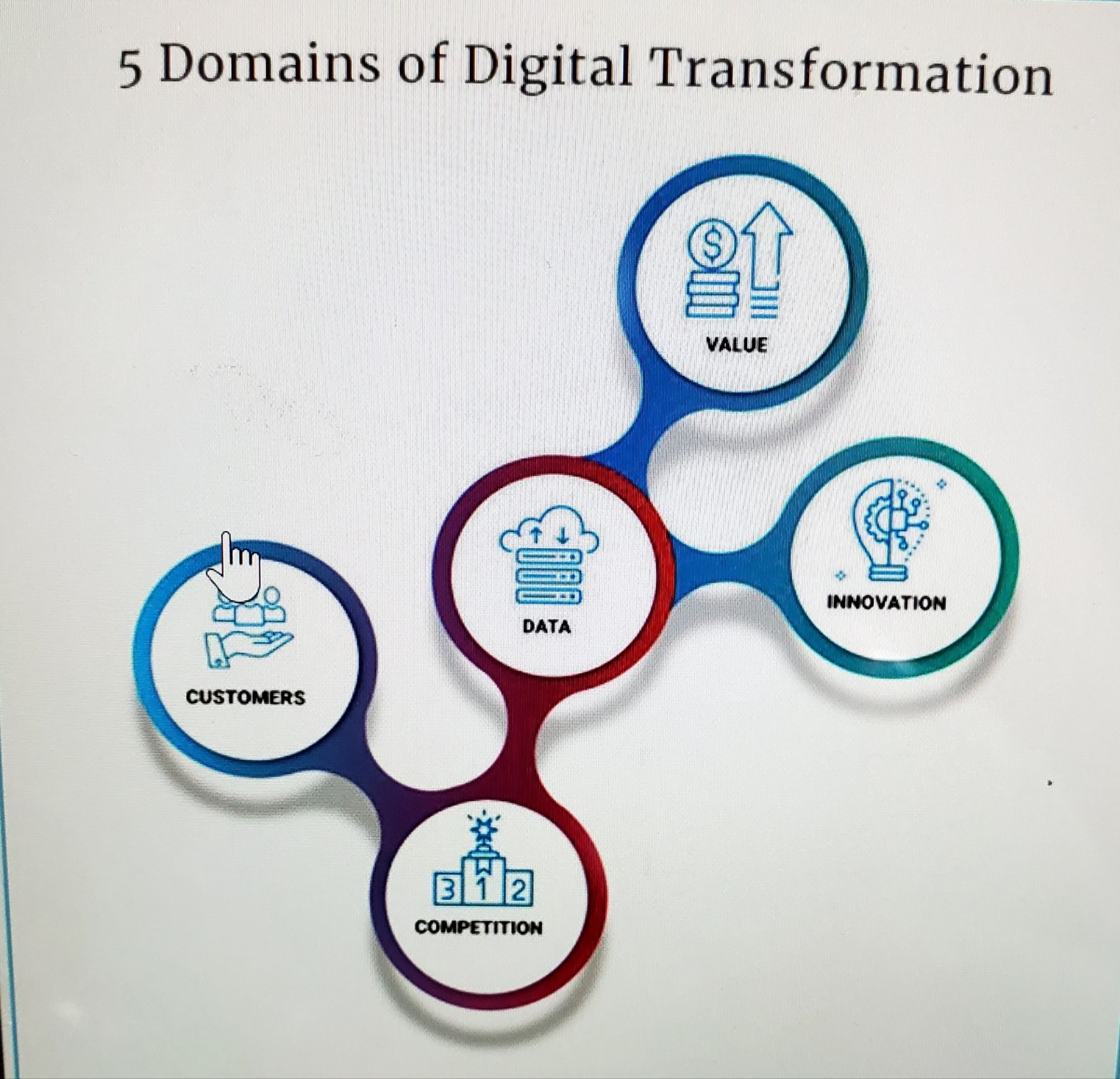
In today’s rapidly evolving digital landscape, businesses must adapt to thrive. Digital transformation encompasses a range of strategies designed to enhance various aspects of your business. This week, we will explore the five key domains of digital transformation: Customers, Competition, Data, Innovation, and Value. Stay with us as we delve into each domain and provide insights and tips to help you transform your business.
While businesses rely heavily on strategic planning and detailed market analysis, there are always elements that remain outside of control. Serendipity plays a significant role when unplanned opportunities arise that align perfectly with a business’s capabilities or strategic goals. These moments can feel like destiny when they significantly impact the company’s trajectory. Emphasizing flexibility within strategic planning can allow businesses to leverage these opportunities.
The Intersection of Preparation and Opportunity
The famous saying by Roman philosopher Seneca, “Luck is what happens when preparation meets opportunity,” aligns closely with the concept of destiny in a business context. Companies that consistently invest in their capabilities, innovation, and market understanding find themselves better positioned to capitalize on opportunities that others might see as lucky or destined.
Intuition in Decision-Making
Intuition often plays a crucial role in business, particularly in decisions that involve substantial uncertainty. This “gut feeling” might be seen as an alignment of one’s internal compass with the external business environment, which some might interpret as destiny guiding their choices. Cultivating a culture that values data-driven strategies while also respecting intuitive decision-making can enhance agility and responsiveness.
Practical Applications of Destiny in Marketing Strategy
Branding and Consumer Resonance
Sometimes, a brand message resonates with the public in ways that surpass all calculated expectations. This resonance can often be attributed to cultural currents or a collective subconscious need, making the brand feel “destined” to succeed at that particular moment. Marketers should be attuned to social, cultural, and psychological trends to craft messages that potentially align with these broader currents.
Market Timing
Launching a product at the right time can often seem like destiny, especially if the launch coincides with an emerging trend or a sudden shift in consumer behavior. Timing the market correctly, although largely based on research and forecasting, can sometimes benefit from fortunate timing that feels destined.
Crisis Management
In times of crisis, how a company reacts can sometimes lead to fortuitous outcomes that may seem predestined. A crisis can unexpectedly open new markets or create demand for new products. Effective crisis management involves preparedness and the ability to pivot swiftly, aligning with new paths that might seem like they were meant to be.
While destiny in a mystical sense might not be a typical business planning component, the concept of “things aligning” is very much present in the form of serendipity, market timing, and intuitive decision-making. In the role of a marketing strategist and business consultant, acknowledging and preparing for these moments can enhance how strategies are formed and executed, ensuring businesses are not only ready to seize unexpected opportunities but also resilient enough to withstand and grow from unforeseen challenges.
“Have you had experiences where things worked out despite all odds? Share your story in the comments or send us a message!”
In the ever-evolving business landscape, emotional capacity shapes organizational success. This concept transcends mere emotional intelligence; it involves an organization’s collective ability to endure stress, adapt to change, and manage the emotional climate of its workplace. Emotional capacity is crucial for individual resilience and is increasingly recognized as a cornerstone of effective leadership and organizational health.
Understanding Emotional Capacity
Emotional capacity refers to the capability of individuals and groups within a business to handle emotional labor, process feelings, and maintain productivity despite emotional challenges. It encompasses several key components:
Resilience: The ability to bounce back from setbacks and maintain focus on long-term goals.
Empathy: Understanding and sharing the feelings of others, which enhances team collaboration and customer relations.
Self-regulation: Managing emotions to foster a stable and productive work environment.
Emotional Agility: The skill to adapt emotional responses to changing situations effectively.
The Impact on Leadership and Management
Leaders with high emotional capacity can better motivate their teams, navigate organizational changes, and make informed, compassionate decisions. They are adept at recognizing emotional cues and managing their responses to foster a positive organizational culture. This ability is essential for preventing burnout and promoting employee engagement, particularly in high-stress industries.
Emotional Capacity and Customer Relations
In the realm of customer relations, emotional capacity plays a critical role. Businesses that understand and empathize with customers’ emotions can develop stronger relationships and improve customer loyalty. Emotional insights can drive innovation in product development, marketing strategies, and customer service practices, enhancing customer satisfaction and retention.
Building Emotional Capacity
Developing an organization’s emotional capacity requires intentional strategies and practices. Here are some actionable steps:
Training and Development: Implement training programs on emotional intelligence, stress management, and communication skills.
Culture of Openness: Foster an environment where employees feel safe expressing their emotions without fear of judgment.
Mindfulness Practices: Encourage practices that promote self-awareness and emotional regulation, such as mindfulness and meditation.
Support Systems: Establish support mechanisms like counseling services and peer support groups to help manage emotional challenges.
Challenges and Considerations
While building emotional capacity, organizations must navigate challenges such as resistance to change, varying levels of individual emotional intelligence, and the need for ongoing support. It requires commitment from all levels of the organization and should be integrated into the company’s core values and leadership development programs.
Integrating emotional capacity into business operations and culture is not just a trend but a strategic imperative. As businesses continue to face rapid changes and high-stress environments, the emotional capacity of their workforce will play a critical role in maintaining competitiveness and achieving sustainable success.
Enhance your organization’s resilience and productivity by investing in emotional capacity. Start by assessing your current emotional climate and identifying areas for improvement. Consider partnering with experts who can help develop and implement effective emotional capacity-building programs. Remember, a business that thrives emotionally thrives economically. Embrace the journey toward building a more emotionally capable and successful organization today.









 Cathy Thompson