Data is an invaluable resource for businesses in the digital age. Data collection and analysis can provide deep insights into your operations, customers, and market trends. You can enhance efficiency, drive innovation, and achieve sustainable growth by making data-driven decisions. 📊 Ready to transform your business with data-driven decision-making? Join us in the upcoming weeks as we delve into the importance of data-driven decision-making in digital transformation.
Your self-image shapes not just your personal life but your professional journey too. How you see yourself influences your interactions, decisions, and overall success.
🌟 Why Self-Image Matters in Business:
Influences Relationships: Like in your personal life, your self-image determines the professional relationships you form. A positive self-image attracts positive collaborations.
Drives Achievement: Believing in your capabilities fuels your drive to take on and conquer challenging goals.
Shapes Leadership: Leaders with a strong self-image inspire confidence and trust in their teams.
Empower yourself and those around you by nurturing a positive self-image. It’s a cornerstone of both personal fulfillment and professional success.
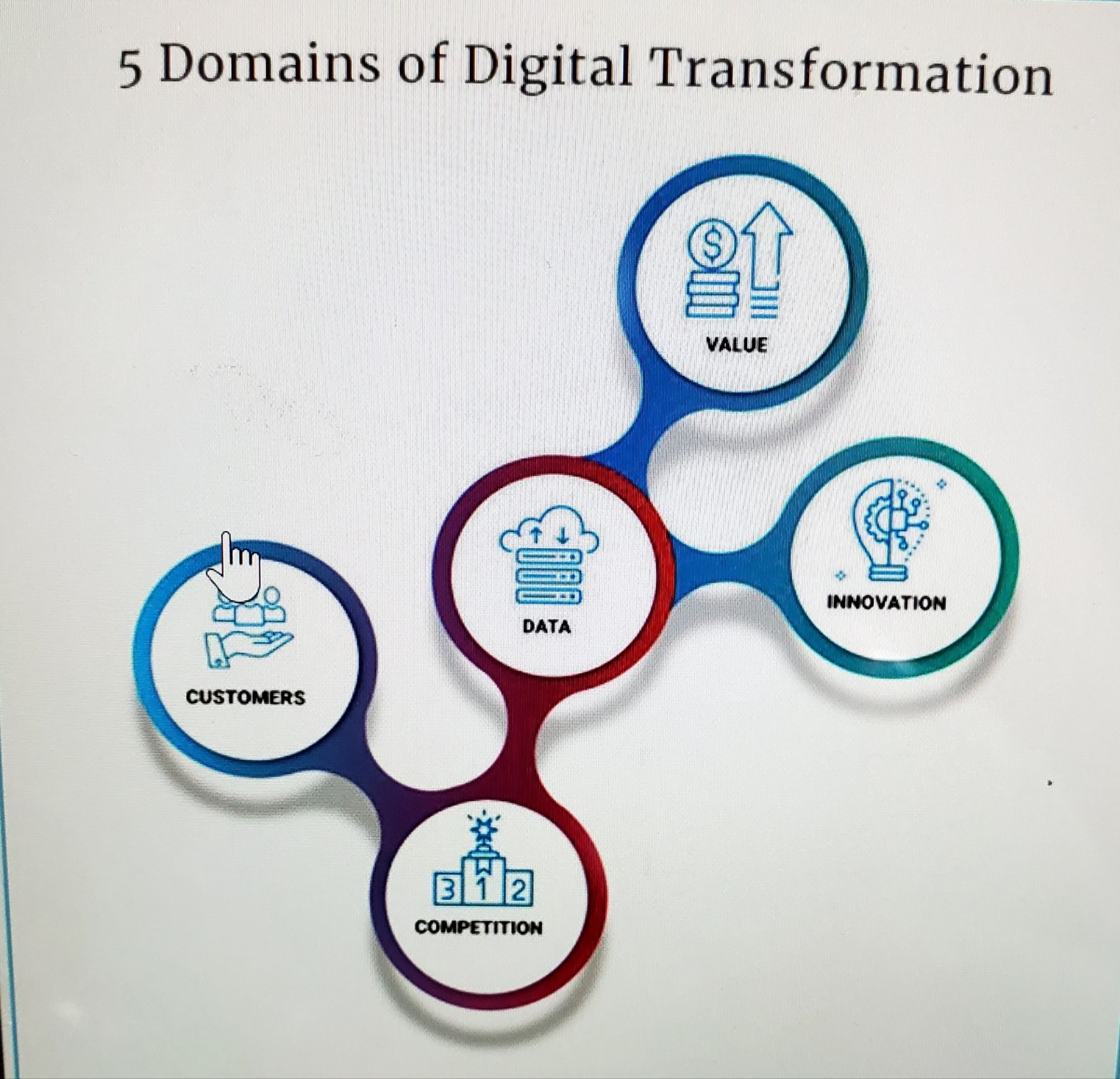
In today’s rapidly evolving digital landscape, businesses must adapt to thrive. Digital transformation encompasses a range of strategies designed to enhance various aspects of your business. This week, we will explore the five key domains of digital transformation: Customers, Competition, Data, Innovation, and Value. Stay with us as we delve into each domain and provide insights and tips to help you transform your business.
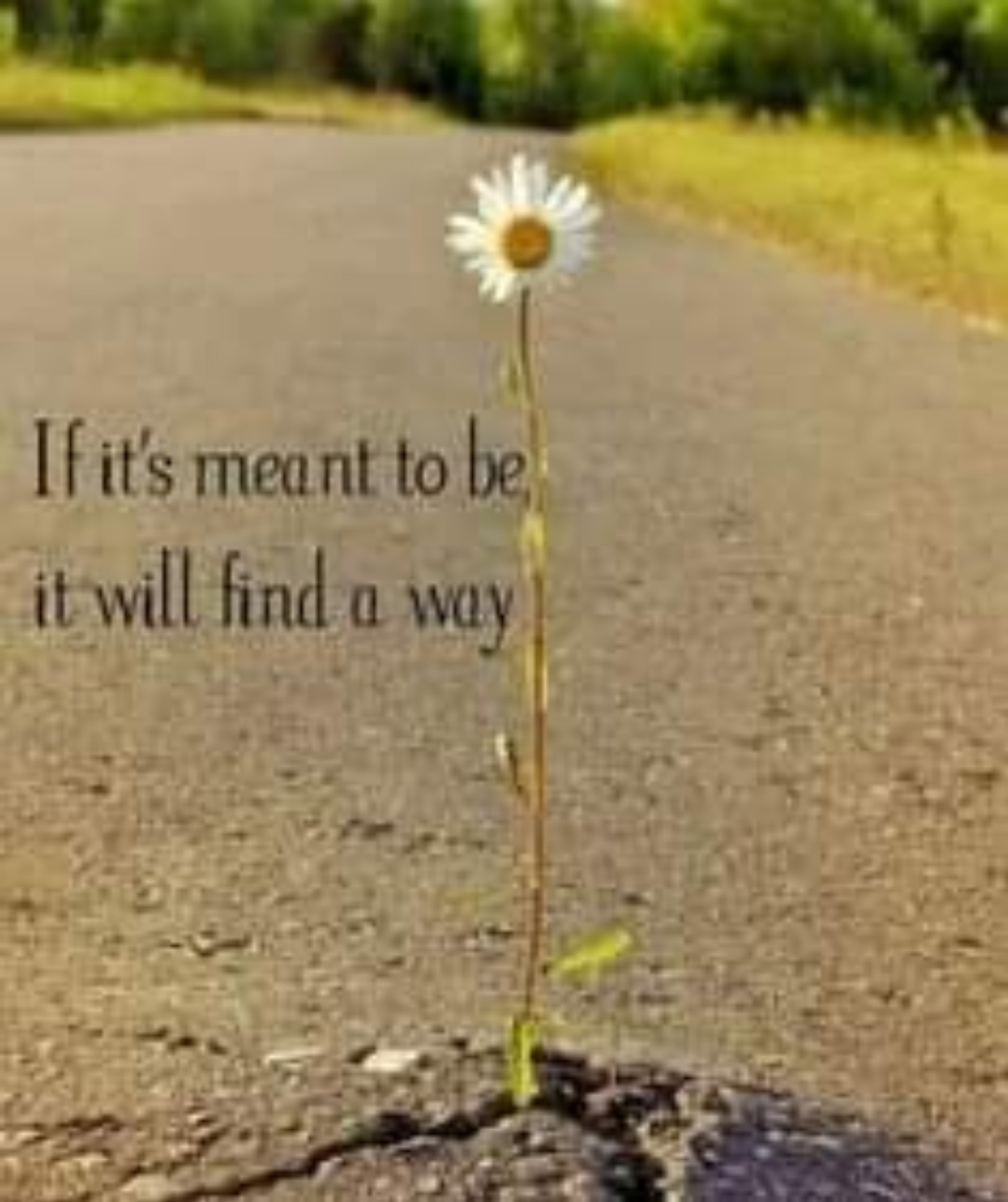
While businesses rely heavily on strategic planning and detailed market analysis, there are always elements that remain outside of control. Serendipity plays a significant role when unplanned opportunities arise that align perfectly with a business’s capabilities or strategic goals. These moments can feel like destiny when they significantly impact the company’s trajectory. Emphasizing flexibility within strategic planning can allow businesses to leverage these opportunities.
The Intersection of Preparation and Opportunity
The famous saying by Roman philosopher Seneca, “Luck is what happens when preparation meets opportunity,” aligns closely with the concept of destiny in a business context. Companies that consistently invest in their capabilities, innovation, and market understanding find themselves better positioned to capitalize on opportunities that others might see as lucky or destined.
Intuition in Decision-Making
Intuition often plays a crucial role in business, particularly in decisions that involve substantial uncertainty. This “gut feeling” might be seen as an alignment of one’s internal compass with the external business environment, which some might interpret as destiny guiding their choices. Cultivating a culture that values data-driven strategies while also respecting intuitive decision-making can enhance agility and responsiveness.
Practical Applications of Destiny in Marketing Strategy
Branding and Consumer Resonance
Sometimes, a brand message resonates with the public in ways that surpass all calculated expectations. This resonance can often be attributed to cultural currents or a collective subconscious need, making the brand feel “destined” to succeed at that particular moment. Marketers should be attuned to social, cultural, and psychological trends to craft messages that potentially align with these broader currents.
Market Timing
Launching a product at the right time can often seem like destiny, especially if the launch coincides with an emerging trend or a sudden shift in consumer behavior. Timing the market correctly, although largely based on research and forecasting, can sometimes benefit from fortunate timing that feels destined.
Crisis Management
In times of crisis, how a company reacts can sometimes lead to fortuitous outcomes that may seem predestined. A crisis can unexpectedly open new markets or create demand for new products. Effective crisis management involves preparedness and the ability to pivot swiftly, aligning with new paths that might seem like they were meant to be.
While destiny in a mystical sense might not be a typical business planning component, the concept of “things aligning” is very much present in the form of serendipity, market timing, and intuitive decision-making. In the role of a marketing strategist and business consultant, acknowledging and preparing for these moments can enhance how strategies are formed and executed, ensuring businesses are not only ready to seize unexpected opportunities but also resilient enough to withstand and grow from unforeseen challenges.
“Have you had experiences where things worked out despite all odds? Share your story in the comments or send us a message!”
In the ever-evolving business landscape, emotional capacity shapes organizational success. This concept transcends mere emotional intelligence; it involves an organization’s collective ability to endure stress, adapt to change, and manage the emotional climate of its workplace. Emotional capacity is crucial for individual resilience and is increasingly recognized as a cornerstone of effective leadership and organizational health.
Understanding Emotional Capacity
Emotional capacity refers to the capability of individuals and groups within a business to handle emotional labor, process feelings, and maintain productivity despite emotional challenges. It encompasses several key components:
Resilience: The ability to bounce back from setbacks and maintain focus on long-term goals.
Empathy: Understanding and sharing the feelings of others, which enhances team collaboration and customer relations.
Self-regulation: Managing emotions to foster a stable and productive work environment.
Emotional Agility: The skill to adapt emotional responses to changing situations effectively.
The Impact on Leadership and Management
Leaders with high emotional capacity can better motivate their teams, navigate organizational changes, and make informed, compassionate decisions. They are adept at recognizing emotional cues and managing their responses to foster a positive organizational culture. This ability is essential for preventing burnout and promoting employee engagement, particularly in high-stress industries.
Emotional Capacity and Customer Relations
In the realm of customer relations, emotional capacity plays a critical role. Businesses that understand and empathize with customers’ emotions can develop stronger relationships and improve customer loyalty. Emotional insights can drive innovation in product development, marketing strategies, and customer service practices, enhancing customer satisfaction and retention.
Building Emotional Capacity
Developing an organization’s emotional capacity requires intentional strategies and practices. Here are some actionable steps:
Training and Development: Implement training programs on emotional intelligence, stress management, and communication skills.
Culture of Openness: Foster an environment where employees feel safe expressing their emotions without fear of judgment.
Mindfulness Practices: Encourage practices that promote self-awareness and emotional regulation, such as mindfulness and meditation.
Support Systems: Establish support mechanisms like counseling services and peer support groups to help manage emotional challenges.
Challenges and Considerations
While building emotional capacity, organizations must navigate challenges such as resistance to change, varying levels of individual emotional intelligence, and the need for ongoing support. It requires commitment from all levels of the organization and should be integrated into the company’s core values and leadership development programs.
Integrating emotional capacity into business operations and culture is not just a trend but a strategic imperative. As businesses continue to face rapid changes and high-stress environments, the emotional capacity of their workforce will play a critical role in maintaining competitiveness and achieving sustainable success.
Enhance your organization’s resilience and productivity by investing in emotional capacity. Start by assessing your current emotional climate and identifying areas for improvement. Consider partnering with experts who can help develop and implement effective emotional capacity-building programs. Remember, a business that thrives emotionally thrives economically. Embrace the journey toward building a more emotionally capable and successful organization today.
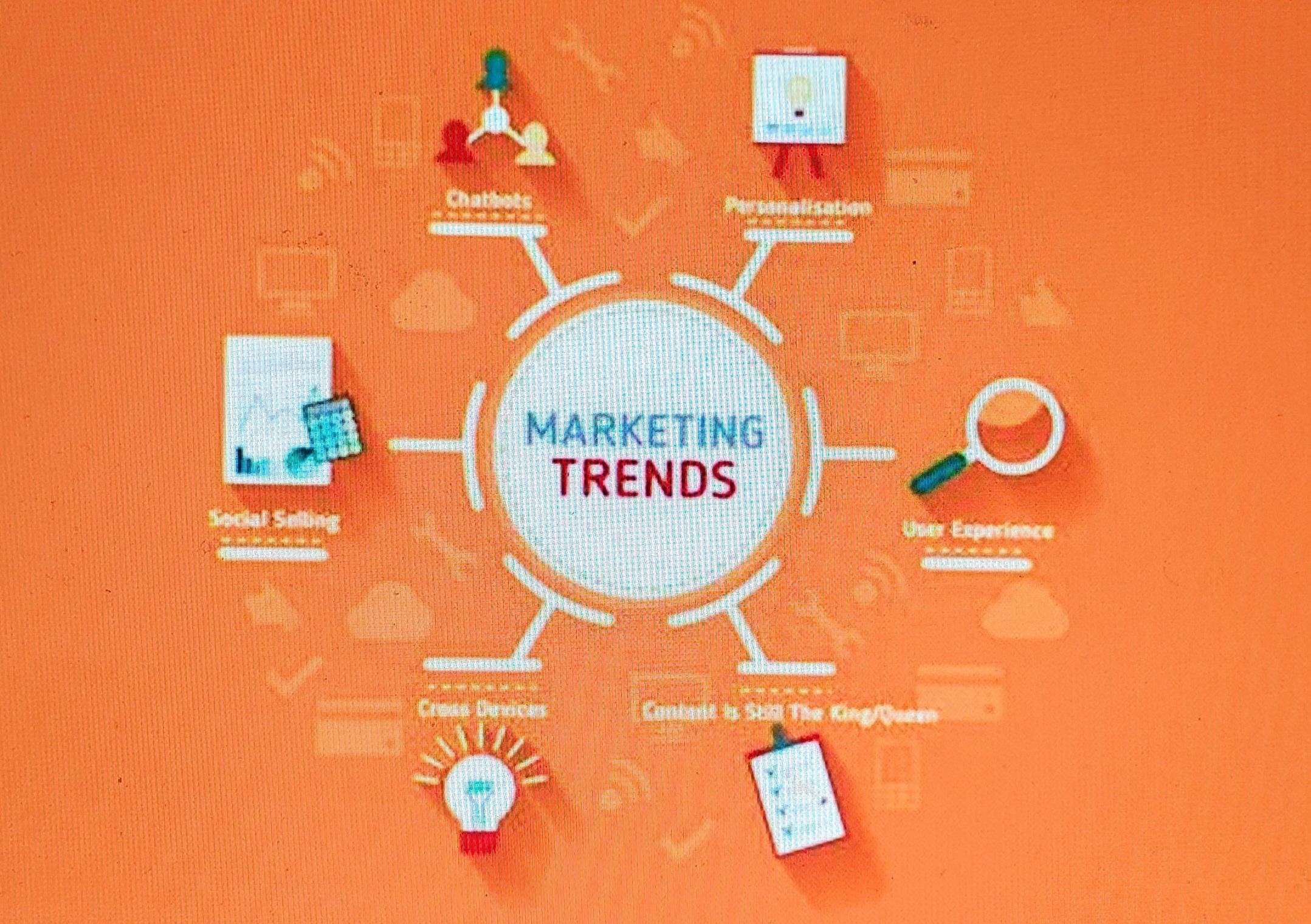
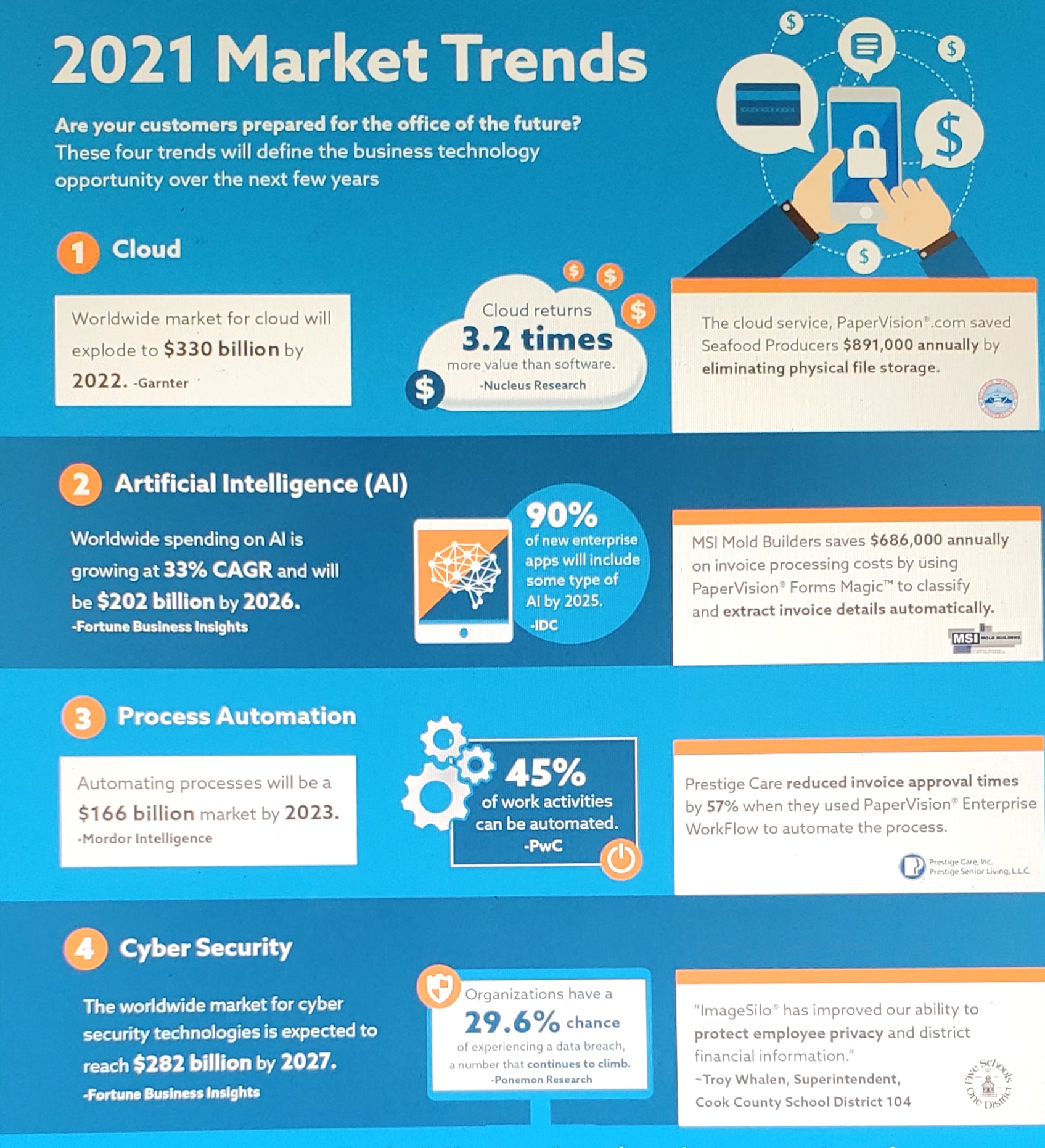
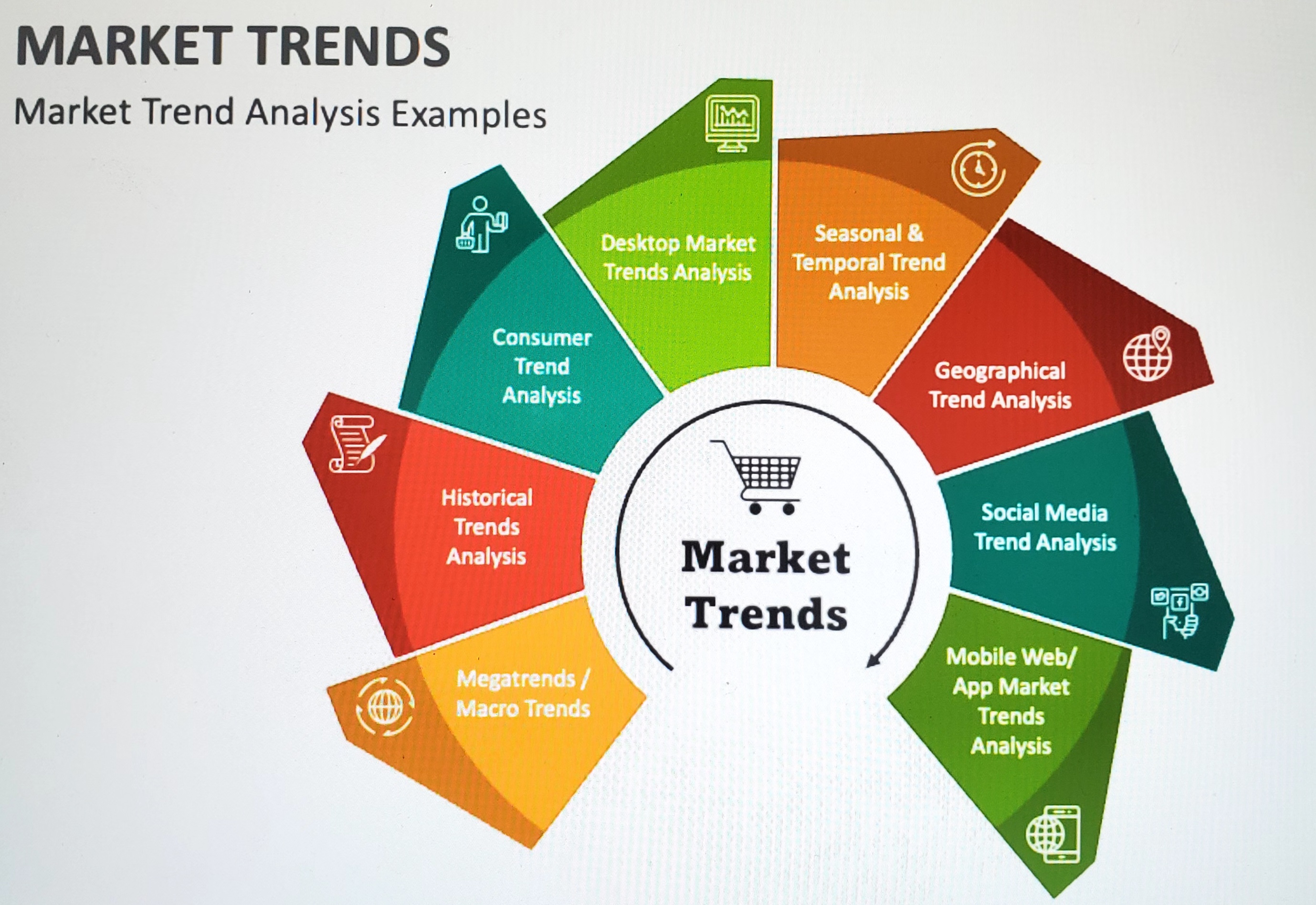
In today’s rapidly changing business environment, staying ahead of the curve requires a keen understanding of emerging market trends. This involves analyzing consumer behavior, keeping up with technological advancements, and monitoring economic shifts.
Understanding Consumer Behavior Changes
Consumer preferences are constantly evolving. Businesses need to stay informed about these changes to tailor their offerings accordingly. For example, the rising demand for sustainable products indicates a shift towards eco-conscious consumption.
Embracing Technological Advancements
Technology is a major driver of market trends. Staying updated with the latest technological advancements can help businesses innovate and stay competitive. Whether it’s adopting new digital marketing tools or leveraging AI for customer insights, technology plays a crucial role.
Adapting to Economic Shifts
Economic conditions can significantly impact market trends. Businesses must be agile and adaptable to navigate economic fluctuations effectively. Understanding these shifts enables better decision-making and strategic planning.
Case in Point: Sustainable Products
The growing trend towards sustainability is a clear example of how market analysis can guide business strategy. Retailers and manufacturers can benefit from incorporating eco-friendly options into their product lines. This not only meets consumer demand but also positions the brand as environmentally responsible.
By keeping an eye on market trends and adapting strategies accordingly, businesses can achieve sustained growth and success.
Want to dive deeper into market trends and their implications? Subscribe to our blog for exclusive content and detailed market analysis delivered straight to your inbox. Visit our ‘Contact Us’ page to get personalized advice and consultancy services.”
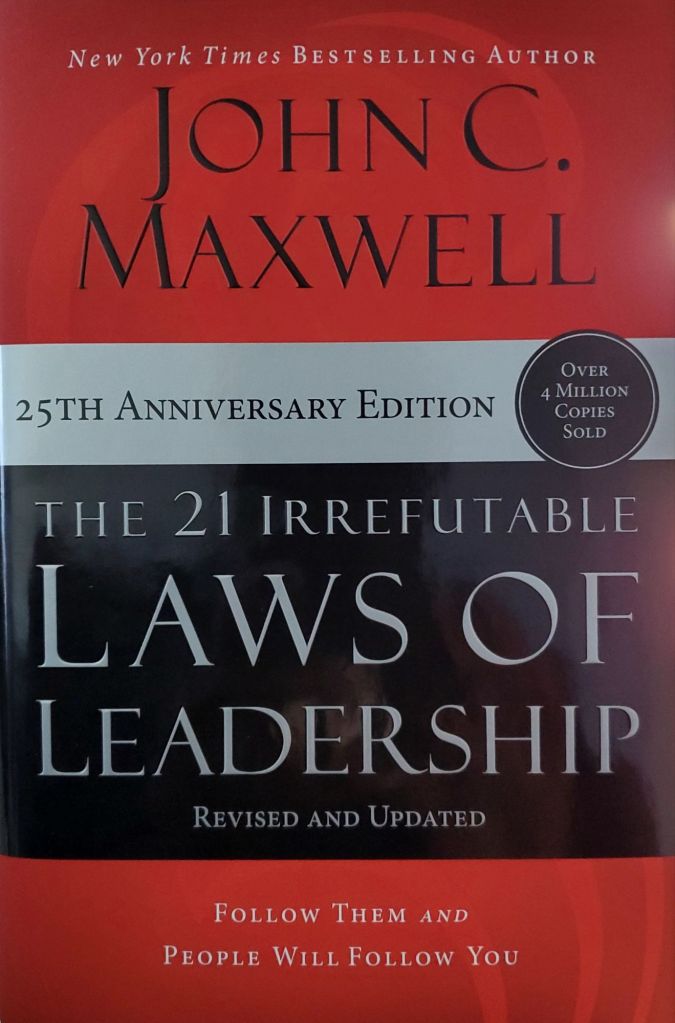
I’ve been a follower of John Maxwell for many years, and his book “The 21 Irrefrutable Laws of Leadership” is my latest exploration. Join me as I connect these laws to my diverse leadership experiences in the U.S Navy, corporate world, education and business.
Women’s History Month, observed every March in the United States since 1987, honors the significant roles women have played in shaping history, culture, and society. The 2024 observance will span from March 1st to March 31st. This month serves as a time to acknowledge and reflect upon the often-unrecognized contributions of women in American history, highlighting figures such as Abigail Adams, Susan B. Anthony, Sojourner Truth, and Rosa Parks, whose impacts date back to the nation’s inception.
The origin of Women’s History Month traces back to a week-long celebration in 1978 in Sonoma, California, where schools hosted presentations, students engaged in an essay contest about “Real Women,” and a parade was organized in Santa Rosa. This concept gained popularity and spread across various communities and schools. In 1980, President Jimmy Carter declared the week of March 8th as National Women’s History Week, a decision later supported by a U.S. Congress resolution. By 1987, the National Women’s History Project successfully lobbied Congress to extend the celebration to the entire month of March.
International Women’s Day, celebrated globally on March 8th since 1911, honors women’s achievements in various fields. This day is marked by events, educational programs, and traditions like giving gifts and flowers to women. The United Nations has officially recognized this day since 1975, emphasizing the importance of women’s participation and contributions to peace, human rights, and social progress.
The National Women’s History Alliance sets an annual theme for Women’s History Month. The theme for 2024 is“Women Who Advocate for Equity, Diversity, and Inclusion,” celebrating women dedicated to eradicating bias and discrimination.
Inspirational quotes from notable women also resonate during this month:
Eleanor Roosevelt: “Women are like teabags. We don’t know our true strength until we are in hot water.”
Amelia Earhart: “The most difficult thing is the decision to act, the rest is merely tenacity.”
Rosa Parks: “You must never be fearful about what you are doing when it is right.”
Shirley Chisholm: “If they don’t give you a seat at the table, bring a folding chair.”
Maya Angelou: “My mission in life is not merely to survive but to thrive and to do so with some passion, some compassion, some humor, and some style.”
Madeleine Albright: “It took me quite a long time to develop a voice, and now that I have it, I am not going to be silent.”
Billie Jean King: “Champions keep playing until they get it right.”
Alice Walker: “The most common way people give up their power is by thinking they don’t have any.”
Malala Yousafzai: “One child, one teacher, one book, one pen can change the world.”
This Women’s History Month, let’s take a journey through time. From the early suffragettes to today’s leaders, women have been the backbone of progress and change. Let’s celebrate their achievements and continue their legacy.
As the last week of Black History Month unfolds (although it is Black History Month every month of the year for me), I find myself immersed in a profound sense of pride and reflection. As an African-American woman, this month is not just a period marked on the calendar; it’s a time for me to connect deeply with my heritage, celebrate the achievements of my ancestors, and recognize the ongoing struggles and triumphs of the Black community.
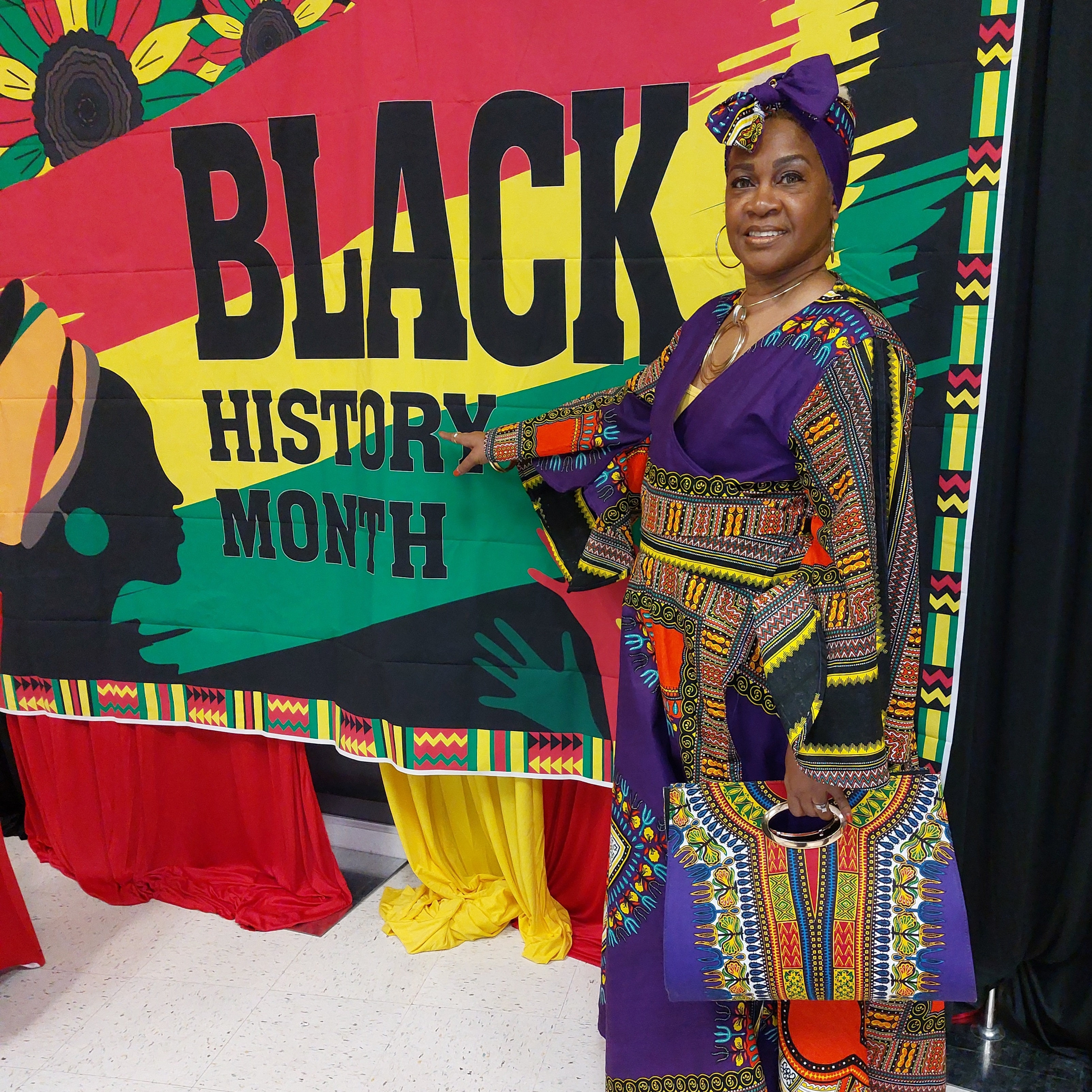
Celebrating in My African Clothing – I honored my roots this week by donning my African dress. Each piece of clothing is more than just fabric; it’s a narrative of history, culture, and identity. The vibrant colors and intricate patterns speak volumes of the rich and diverse African continent, reminding me of the land that has shaped me into who I am today.
Wearing this attire is not just a fashion statement; it’s a declaration of pride and a homage to the generations before me. It’s a way to carry my heritage visibly and to remind myself and others of the beauty and resilience of African culture.
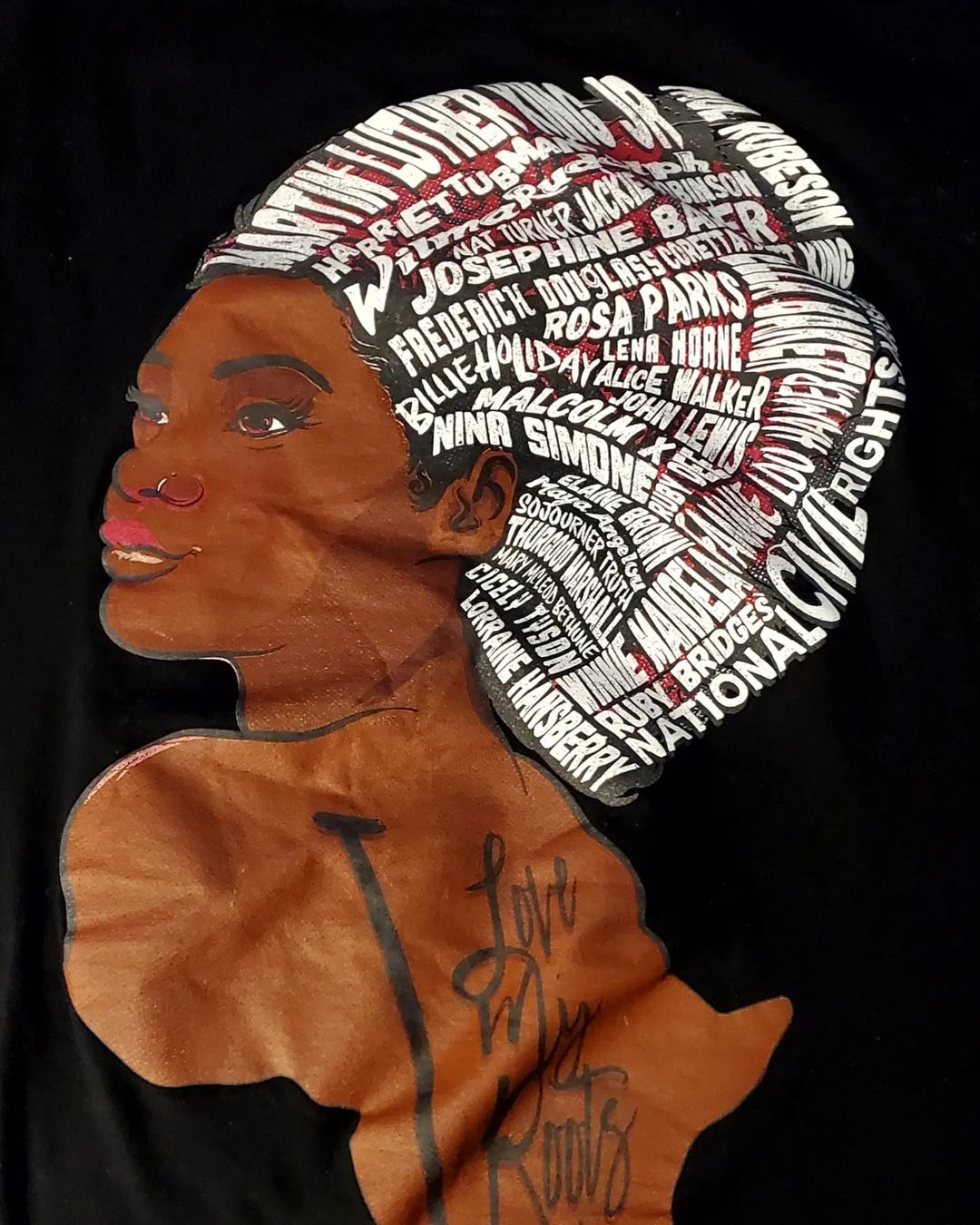
Reflecting on the Past and Present – as I wear these garments, I reflect on my ancestors’ journey – from the depths of hardship and injustice to the heights of achievement and influence. Black History Month is a time to remember figures like Harriet Tubman, Martin Luther King Jr., Rosa Parks, and countless others who fought tirelessly for justice and equality.
But it’s also a time to celebrate the present – to acknowledge the leaders, thinkers, artists, and everyday heroes who continue to shape our world. It’s a time to look within and recognize our potential to make a difference.
Looking Forward with Hope – as Black History Month ends, my celebration does not end. The pride I feel in my heritage, the respect for my ancestors, and the hope for the future remain with me. Wearing my African clothing this week has been a powerful reminder of where I come from and where I can go.
I am reminded that my story, like the stories of so many others, is woven into the fabric of this nation. It’s a story of struggle, resilience, and triumph that continues to unfold.
As I celebrate the last week of Black History Month, I do so with a heart full of gratitude and a spirit filled with determination. I am proud of my African roots and African-American identity and excited about the future we can all build together.
Let’s carry the spirit of this month throughout the year and continue to honor our past, celebrate our present, and forge a path toward an inclusive and bright future.
This Black History Month, I’m celebrating the rich tapestry of my African-American heritage. From the resilience of our ancestors to the vibrant cultures that flourish today, my roots run deep and strong. Let’s honor our past, inspire our present, and forge a bright future.







 Cathy Thompson